
TMR Talks To
Feature
June 16, 2026
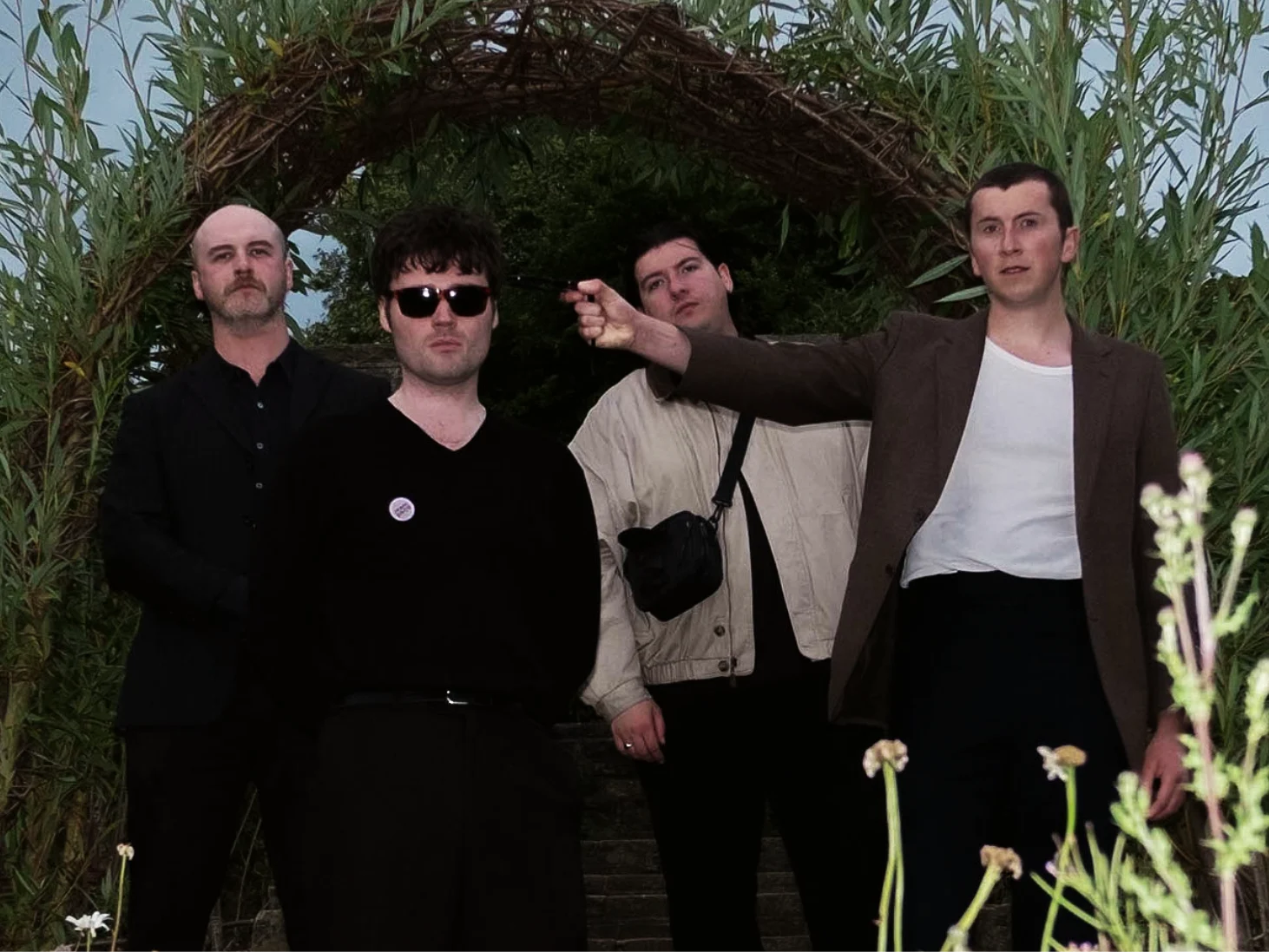
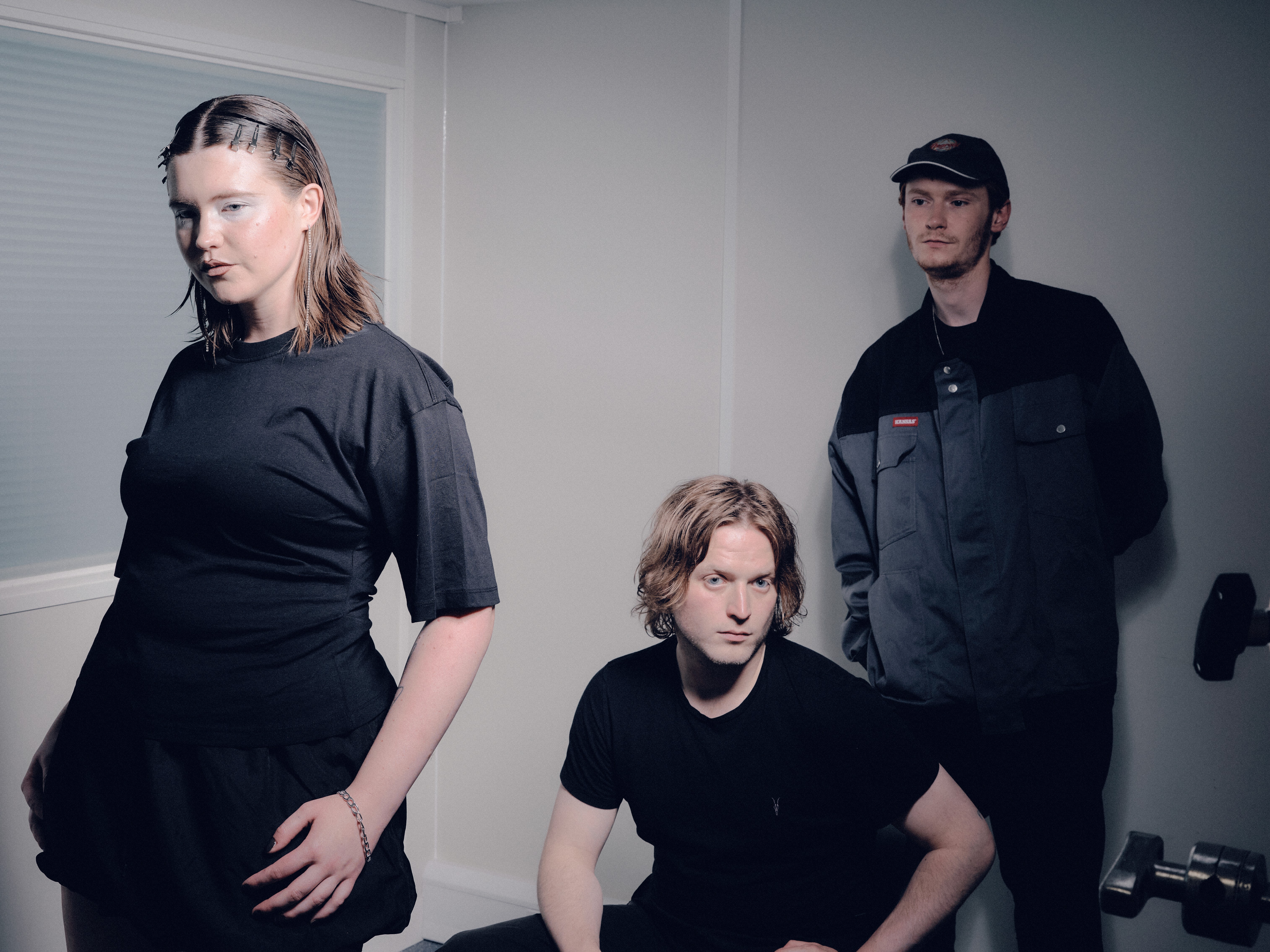
Utterly enamoured by their recent sophomore album No More Like This, we were lucky enough to dive deep with PVA's Ella Harris to find out more about one of our favourite releases of the year and the inspirational journey it took to get there.
It’s been over 3 years since the release of your debut album and what you’ve achieved on No More Like This is truly incredible. In an industry that often demands quantity over quality do you think it’s important to take your time?
I think it is important to take your time, but for us a lot of that time felt quite involuntary. After BLUSH, our contract with Ninja Tune came to an end and we changed management, so for a while it was really just the three of us trying to work out what came next. We didn’t have a label, we didn’t have management and there was definitely a period where it felt like the industry had maybe moved on from us a bit.
It’s a strange thing, because with bands there can be this hype wave where everything suddenly starts moving very quickly. For us, 2020 was meant to be a really big year. We had SXSW end of March 2020, then off to go to Japan with Glows (RIP Magic), then back to support Baxter Dury around the UK, and then there were all the summer festivals that might have come from that. Then March 2020 happened and everything stopped. We still managed to make and release our debut album in really difficult circumstances, but after that there was this period of uncertainty where it could have just fizzled.
We kept going because we still loved playing music together. We were really held by a lot of people who supported bands like us, even when we didn’t have much money or infrastructure. Stephen at PRAH Foundation in Margate was a part of that. He gave us space to demo ideas. We also had our amazing booking agent Sarah, and others in the industry who were generous with advice, ears and encouragement.
By the time we started working with our new team, and began properly working out how to release the 2nd album, it felt a bit like we had been given a second chance too. We had this body of work that had come from a really uncertain time, and suddenly it was like, wow, we actually get to do this again. So we put so much love and attention into every part of it. We wanted to prove, more than anything, that this is the thing that gives us the most passion and excitement in the world.
Looking back now, I think that time was essential. It was so fucking stressful at points, and there were moments where it felt really uncertain, but I don’t think we would have made the record we made without it. We became more emotionally mature through taking a break from touring and looking at our lives, and more technically confident as we became more resourceful and DIY. We grew as songwriters and producers, writing, recording and producing everything ourselves. I grew so much as a vocalist, not anxious anymore my voice wasn’t right for electronic music. We had to fight to keep music in our lives, and because of that the record became something much deeper than it might have been if we had rushed straight into the next campaign whilst on the tour. That being said, we’d love to try that too, and see what condensed, short runs in studios bring, whilst you’re tight as fuck as a band having toured all over.
There are so many alternate realities where the album could have been different, or might not have happened at all. I’m really glad this is the one we arrived at.
We were lucky enough to catch you live at Rough Trade East recently and it was absolutely breathtaking. Could you tell us how and why you adapted the album tracks for the in-store run?
We always find in-stores a really wonderful challenge because normally we turn up to venues with over 20 DI channels and a very electronic setup, and then suddenly you’re in a shop thinking, okay, what can we actually do here? We have a few channels, a smaller space and these songs that are quite electronic and textural, but we love having to rethink things.
For this run we were really lucky to have Tatyana Phillips and Ruby Kyriakides with us. Tatyana is an incredible harpist, singer and artist in her own right, and she also has such a brilliant musical mind. She is someone we trust a lot creatively, and she has this amazing ability to imagine new worlds around songs. Ruby is a classically trained pianist and synth player, but also plays so many acoustic instruments and has this really curious, instinctive relationship with sound. They play with Marsy and Goat Girl and lots of other projects, and they bring this really special energy with them.
We only had one day to rehearse, so we had to be really open and playful. It wasn’t about making acoustic versions in a traditional way. It was more about asking what else these songs could become if we moved them into another world. How do they sound with harp? How does the cello sit if it’s not being used in a conventional way? How can we keep the emotional tone of the songs but let them breathe differently?
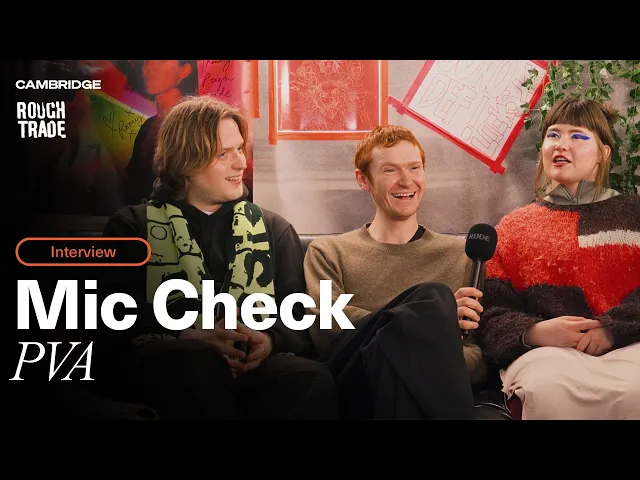
By the time we got to Rough Trade East, we had already done Jacaranda and Resident, and those shows had felt really special. So we arrived there riding this lovely high. The album had just come out, our team were there, our families were there, Kwake was there, our partners were there with us on and off stage, and earlier that day we had done this really lovely interview with Cambridge Audio where we got to talk about why we love music so much and get some free vinyl! It all felt very full circle.
What was exciting was realising that the songs still held themselves in that setting. Even though PVA is so rooted in electronics, they are still songs. They still have melody and character and emotion at their centre. You can manipulate them and pull them into different shapes. It made us want to take more risks, bring more people into the live world and collaborate more, whether that’s through sessions, remixes, live arrangements or completely different versions of the songs.
Coming from the high-energy hedonism of BLUSH, NMLT is a sonic departure in terms of tone, nuance and eclecticism. Was this a conscious decision and if so, why?
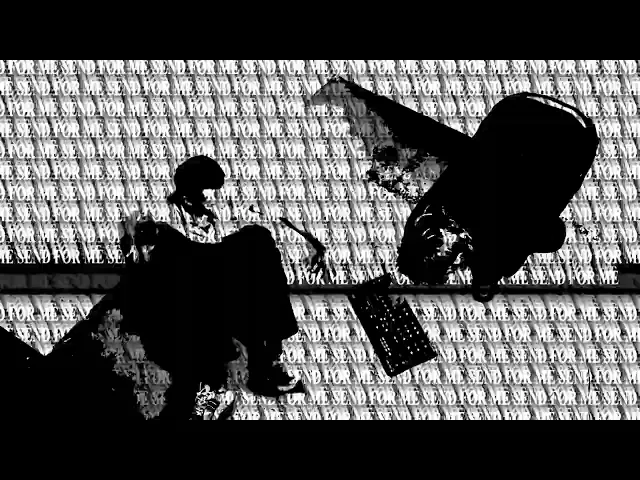
I think we all recognised that BLUSH belonged to a very specific time in our lives. It had this early twenties energy to it, and then it came out around this strange moment after Covid where live music returned with so much frantic, cathartic force. There was this feeling of wanting to tear up the stage and release something. It was abrasive and industrial and quite aggressive in places, and I think it maybe had a more masculine energy to it.
We still love that record so much, and we love those songs and the way people connected with them. But music making for us is very connected to who we are and what is happening in our lives. We make music together to process things, to heal, to keep moving. So it is hard to repeat yourself because you are never really the same person twice. Change is inevitable.
With No More Like This, we were coming from a very different emotional place. BLUSH took us all over the world and brought us to some really surreal places, from KEXP to Jools Holland to touring in the US. We were partying a lot and really throwing ourselves into that live energy. It was amazing and some of the most fun I have ever had, but I think there comes a point where you also have to protect yourself and your mental health. Touring can become this very strange fake reality where every night you are on stage, everyone loves you, you get this huge adrenaline rush, and then you can kind of disappear into that.
With this record, we were more interested in space, nuance and vulnerability. We wanted to write songs that could be played on a piano or an acoustic guitar, songs you could sing in different ways. I was carrying a lot of grief during the making of No More Like This, and I was also processing a lot around sexual trauma, the body, shame, resilience and what it means to be female-presenting in the world. That all became part of the record in a way that felt very visceral.
A friend sent me a Reddit thread of people discussing No More Like This compared to BLUSH, which I would not recommend as an activity to read about your own work, haha. But it did make me think about what happens once you put something out into the world. You spend three years trying to understand yourself, each other, the music, deep trauma, being a band, being this unit of people holding each other through difficult change, and then once it is released you have to accept that people will project onto it. They will assume things about your sexuality, your relationships, your mind, your intentions, creative decisions, your ego, your vibe, and sometimes they will miss the thing completely. That lack of control is really strange.
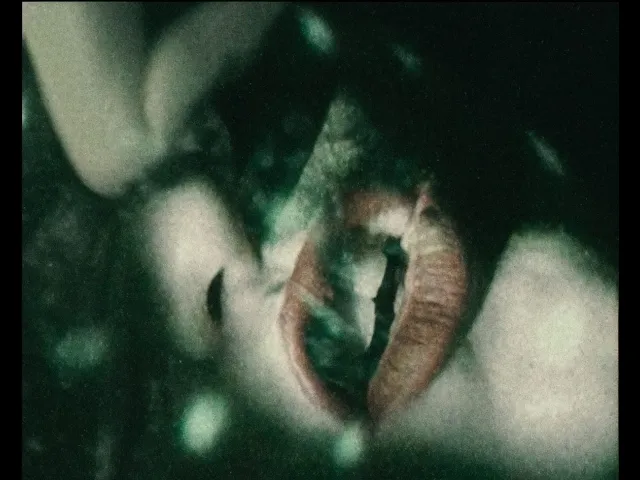
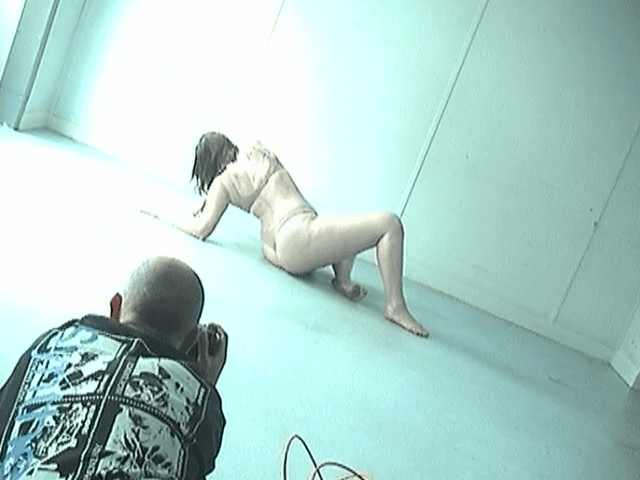
It is also strange to feel like you might be letting people down, when switching up vibes, by not giving them the thing that first made them excited about you. I understand why some people wanted us to go harder or stay in that industrial, more immediate place. We love that part of PVA too. And it’s not to say it won’t come back, but NMLT was a moment in time that needed this approach and the songs just flowed out of us. The album cover and the visual world around the record came from that same place. The body as something marked by experience, but not necessarily permanently destroyed by it. A bruise fades. An imprint changes. The skin remembers, but it also heals. I think we wanted to also explore the body as a place of strength and vulnerability and radical change, at the same time, and to hold the female form without over-sexualising it. I love the grubby feet on the cover. We have all walked many miles to be where we are today. To look at it as resilient, soft, strong, strange. The change of sound, it was conscious in the sense that we did not want to repeat ourselves. But it was also just honest. We had changed, so the music changed with us. The amazing thing about being in a band is that you change together. You grow, you fall apart a bit, you come back, you find new ways of listening to each other. That is the most joyous blessing of it really. So I do not see No More Like This as us abandoning the energy of BLUSH. I see it as the same band moving through a different season of life. Also the sessions of album 3 seems to be bringing some of that energy back too…
The lyrics on this album are particularly striking and poetic. How do you go about writing lyrics and creating a soundscape that works so seamlessly with them?
A lot of the lyrics come from improvising over a beat, a demo or a small idea we’ve made in the studio. I think a lot about cadence, rhyme, sibilance, syllables and the way words sit physically in the mouth. I’ve always loved spoken word and artists like Florence from Dry Cleaning, Kae Tempest, Yasiin Bey,MF DOOM, Adrienne Lenker, Erykah Badu, . I grew up listening to a lot of hip-hop, rap and R&B, and folk and I think that shaped the way I hear language. I’m really aware of wanting to appreciate those influences properly and hold respect for the people and cultures that have shaped the vocal delivery and the way I write.
On this album it felt like I was finding my voice more. On BLUSH, a lot of the lyrics were about the self placed inside strange and surreal situations, which made sense because the whole world felt strange and surreal at that time. With No More Like This, I was writing more from the body. I was processing grief and trauma and desire, and trying to be instinctive about what words were coming up.
Working with Josh and Louis makes that possible because they respond so beautifully to my voice. Louis will meet the words rhythmically, building drums and beats that I can really work from. Josh creates these amazing sound layers, vocal chains and production worlds around the voice. Sometimes I’ll bring in very early demos and they’ll help draw them out, or we’ll experiment with different microphones and studio techniques until the vocal feels like it has found its place.
Singing and lyric writing are so physical. They come from the throat, the stomach, the heart. It’s an emotional instrument, and a lot of the process has been learning how to be in my body enough to actually access that, rather than sitting there worrying about what people in the control room think, or whether I can sing properly, or whether I’m embarrassing myself.
I’m not a trained singer or musician. I didn’t study music and I only really came to it as a teenager, but I’ve always written. When I was really young I did a talent show where I said I was a poetry robot and could make rhymes out of anything, which does feel on brand. I love how words can create little polyrhythms and textures, and now that I’m unlocking more of my singing voice as well, the hooks and melodies have become really fun to play with.
This record gave me space to explore recurring themes around desire, grief, devotion, transformation and control, but also to use my voice almost like a sample or a texture. Something I can manipulate and shape from inside my own body. It’s my voice and my words, and I think I’m finally starting to feel more autonomous over that.
As producers yourselves, you chose to work with Kwake Bass on this record. What did you want from an external producer and what did he bring to the project?
Louis first brought up Kwake after we saw Sampha at Green Man, I think in 2021. It was the Sunday night on the Mountain Stage before they burned the Green Man, and it was one of the most amazing shows we had ever seen. There was this red blood full moon low in the sky. We were completely taken aback. Louis did some research afterwards and found out that Kwake had been the musical director, and that planted the seed.
A few years later, we had already written and produced a demo version of album 2 ourselves. It sounded really strong Josh is an amazing producer, mixer, mastering engineer and sound engineer, so we’re very lucky to have that within the band. But we also love working with people. We love bringing in other people’s wisdom and knowledge, and getting outside of our own history for a bit. You don’t always know what someone else is going to unlock in you.
We sent Kwake a few demos and had a Zoom with him, and he was just so excited. He came to meet us at our old studio in Peckham, we had a jam and talked a bit, and it felt very quickly like, okay, this is our guy. He’s such a deeply creative person.
The album has elements of trip-hop, hip-hop, R&B and more direct songwriting, and because Kwake has worked with artists like Kae Tempest, Tirzah, Novelist, Goldie and so many others, we wanted to bring in that knowledge and sensitivity. He is also just incredible with programming and MIDI. He really helped us turn the studio into a creative playground.
He brought so much life to the songs. He would add auxiliary elements, samples, drum textures, little rhythmic ideas. He has this MPC with all these original drum machine samples re-recorded from vinyl, and we overlaid these using MIDI on Rain and Enough. On Boyface, he had this idea to cut a breakbeat into two and have Louis trigger the different points of the break on the kick and snare, which gave it this swung, bouncy feeling rather than just using a loop.
Beyond the technical side, he also helped me so much with vocals. It was the first time I felt genuinely comfortable recording vocals. He encouraged me to find my own way of doing it and to trust my voice, rather than trying to fit into an idea of what a vocalist should be.
It also felt like community. We recorded at The Room Studios in Hither Green, in Kwake’s space, with his team around him, Dan, Soly and Anjelo. It felt like people coming together to make something with care and play.
Were there any significant events or influences that shaped the album or individual tracks within it?
There were so many things feeding into the record. Some of them were life events, but a lot of it was more like emotional weather. Grief, heartbreak, Covid aftermath, uncertainty, sexual trauma, friendship, desire, shame, release. It was all in there, sometimes very directly and sometimes in more abstract ways.
The album became a way of documenting a difficult transition. We were between teams, between versions of ourselves. There was this feeling of being submerged in something, not always knowing what was true or what you wanted, but still trying to move through it.
We were thinking a lot about water, refraction, repetition, bodies, rope, ritual, mythology, devotion and submission. There are images that kept returning to us: skin marked by pressure, string, dawn after a night out, tire spikes, bruises, mirrors, people floating on the surface of water. The visual and emotional world of the record felt very expansive.
There were also lots of sonic references. Trip-hop, R&B, hip-hop, folk, club music, acoustic instruments being processed electronically, digital textures applied to human sounds. We were interested in the space between organic and artificial. Cello and piano played in non-traditional ways. Synths that feel natural. Real recordings being resampled, degraded, stretched and turned into something else.
I think we were trying to turn something difficult into something alive. Not necessarily to explain it or resolve it, but to give it a form. Sometimes a song is the only place you can put a feeling so it doesn’t stay stuck inside you.

The whole campaign for NMLT has felt intentional, considered and really confident. What have you learnt from your musical career so far and how has that changed the way you’re doing things now?
I think we’ve learnt a lot about integrity. Sticking with the vision, keeping things simple, not overcomplicating ideas, taking other people’s opinions but also trusting the three of you at the centre of it. If you love the music and you’re passionate about it, people will listen to it. You can’t control everything, but you can protect the world you’re building.
This was the first time I really creative directed an album campaign, with the support of Josh and Louis. It was amazing to gather ideas and build a visual and emotional language around the record. I feel like we’ve all come on so much as creatives and as people. We’re more confident now, not because we think we know everything, but because we trust the process more.
I think confidence can be about being specific. Knowing what PVA is and what PVA isn’t. Knowing when to say yes, and when to protect something. With BLUSH, everything was moving so quickly and we were learning as we went. With this record, maybe because it felt like a second chance, we really wanted every part of it to feel considered and connected.
We’ve also learnt that you have to protect the human things. Mental health, creative integrity, friendship within the band, joy. Those things can get lost if you’re only thinking about momentum or what other people expect from you. The campaign had to feel intentional because the record itself came from such an intentional place. It is a full world, not just a set of songs to promote.
We’re keen to know what you’ve been listening to recently. Could you name drop some of your favourite underground music makers for us?
There is so much amazing music around at the moment. We’ve obviously been listening to and working with Kwake Bass, who is just incredible. Tatyana is making beautiful music, and Lynks is always doing something sick. We love Mandy, Indiana, Lambrini Girls, Human Interest and Marsy all the sisters of rage 🤘🎸 and lifeloose, Coby sey, good sad happy bad, Raghd, We love Loraine James, Max Winter, Poison Anna, MNBB, Duval Timothy, CINTHIE, Kokoroko, System Olympia, Joviale, Reek0, Arlo Parks, Astrid Sonne, caroline, Good Sad Happy Bad, Tara Clerkin Trio, Smerz.
Ella will be launching a solo project LIMES WORLD soon too so keep ears out for that.
There’s just so much good stuff coming from our friends, peers and the wider scene around us.
Lou also made a playlist of some things we’ve been listening to recently, which people can find here:
https://open.spotify.com/playlist/4IDjsPVi5XPgv9KIkTs7g6?si=3c532b6697544ae1
Do you have any specific goals or dreams for PVA that you wouldn’t mind telling us about?
We want to play Glastonbury. They have never booked us, and Josh and Louis were Glastonbury babies. We need to get those two on the Park Stage on a Friday night. I’ve never been, but the way they talk about that festival on the solstice is something else.
Beyond that, we want to keep expanding what PVA can be. We want to work with more collaborators, get into film scoring, do more dance work, work with movement directors, visual artists and creatives across different disciplines. We’re really interested in AV work and in PVA becoming more of a collective of musicians and artists, rather than something fixed or limited.
We want to go to Asia and Australia. We want to go back to North and South America. We want to build an audience of people around the world who love dancing with us and being in the room with us.
We also want there to be no fascism, more money in the music industry for artists, and more support for independent music. We’re really excited about things like LIVE Trust and Music Venue Trust, and all the work happening around grassroots venues and artists being able to survive.
Ultimately we want creative freedom, and we want to be paid for our work. PVA as a career is still not something we can live from, and we want to be able to make this our career in a sustainable way. We want to be ambitious and bold and make amazing work, but we also want to grow without losing sight of why we started doing this in the first place.
And finally, what are your plans for the rest of the year and beyond?
We’ve got lots of things coming. We’ll be releasing the Dream Editions, and also putting out a track-by-track of NMLT with Kwake Bass. We will keep dropping interesting things through our mailing list too, so that feels like a nice place for people to stay close to the world of the record. Will use it for tour diaries etc, as we find social media a strange place!
Link HERE
We’ve also already started writing our third album and have started playing some of those songs live, so if you want to hear a bit of album three, come and catch us at a festival. We’ve got some fun things in the mix and some cool creative ideas that we’re really lucky that we’re able to roll out because we’ve got that flexibility with distribution where we can kind of just do whatever the fuck we want, which is sick.
For the rest of the year we’re looking forward to summer festivals and just continuing to build the world around No More Like This. We want to make more, collaborate more and keep pushing the world of the record open.
We’re also trying to be healthy and happy, look after ourselves, avoid burnout and try to make enough money to keep paying rising rent in the city we love, grew up in and call home.