
TMR Talks To
Feature
July 7, 2026
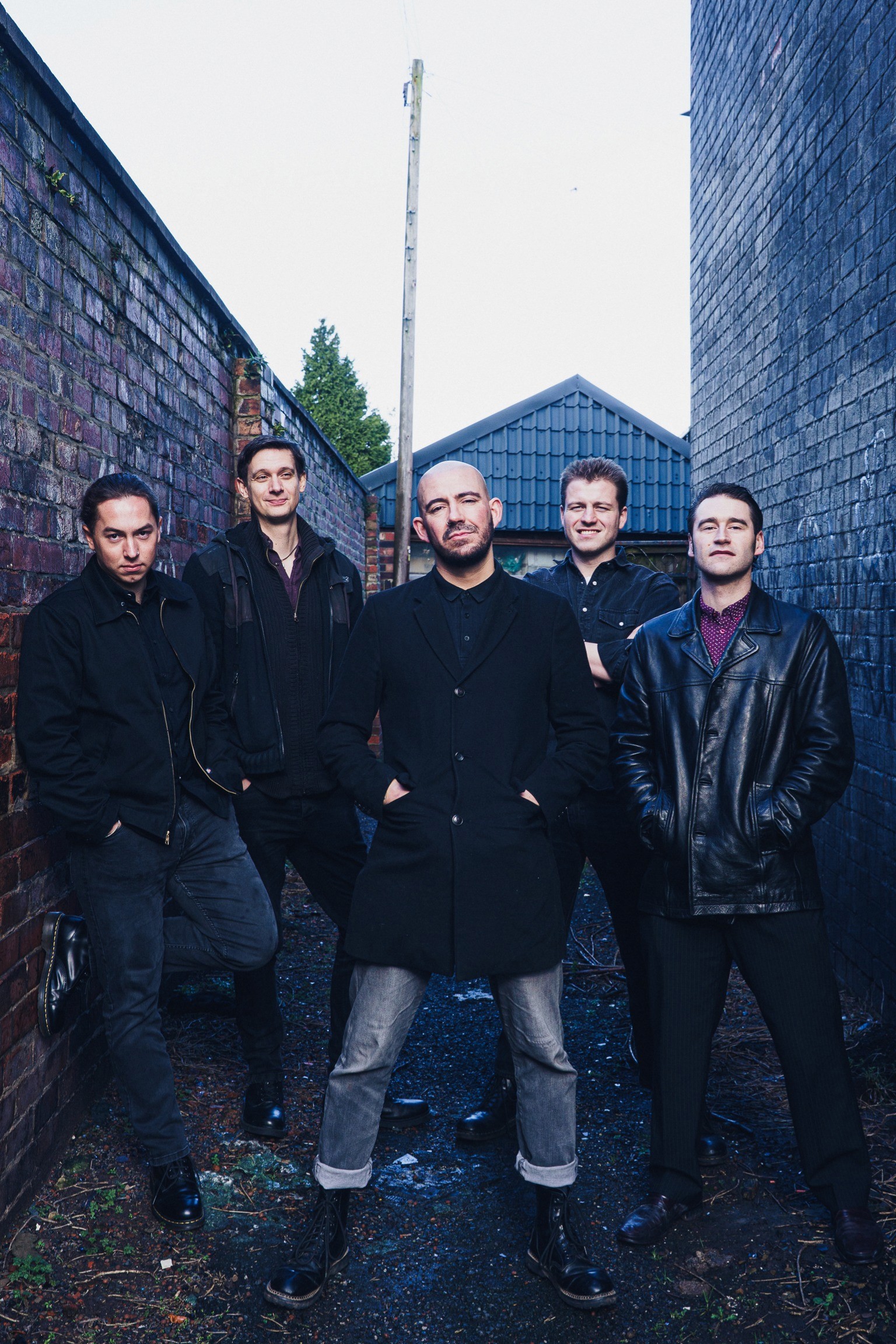
Composing, producing and performing across an ever-shifting line-up of brilliant musicians, King Zepha is the ever-evolving project from band leader Sam Thornton. Following the release of their new album, The Return of King Zepha, we caught up to talk songwriting, touring and what's next.
King Zepha is the alias you compose, produce and release music under - can you tell us a little about the name and how the project first came together?
In 2013 I became a dad. It was an exciting and emotional time that changed me forever, and I wrote a couple of songs about the experience. I was encouraged to write more, by fellow Leeds-based songwriter LSK who also helped to come up with the name King Zepha (from King Zephyr... the make and model of my tenor saxophone... we both agreed that "Peugeot 306" was a crap name).
Your new album 'The Return of King Zepha' has been three years in the making, recorded largely at your home studio. Now that it's out in the world and you're mid-tour, how does it feel to finally have it released - does the reality of it match what you imagined when you started?
I had a lot of fun making this record and I'm really pleased with the way it sounds. It's exciting to hear it being played on the radio and to read the reviews but, to be honest, there's not really been much time to reflect because I've been busy preparing for our album tour. Luckily, we're working with the amazing label, Property of the Lost, who are on it like a car bonnet.
Sam - you've spoken about laying down the bulk of the album yourself before bringing in the band. How do you know when a track is ready for other hands, and how much does it change once the rest of the group are in the room with it?
I compose in quite an old-fashioned way... at the piano, notating all the parts on a score. I know pretty-much from the offset which parts I'll be able to lay-down myself (usually vocals, woodwinds, keyboards, guitars, bass guitar and percussion) and I get mates in to do the rest (usually drums, double bass, brass and the high backing vocals). Sometimes they'll put their own stamp on it, by improvising a phrase or adding extra fills, and it's nice to capture those individual moments on record too.
The album was mixed and mastered at Hohm Studio in Bradford - can you tell us a bit about that process and the choices you made in post-production?
I've never studied music production formally, and sometimes it can take weeks of experimenting for me to achieve a particular sound that's in my head. Working with Ross Halden at Hohm is like a breath of fresh air because I can describe what sound I'm trying to achieve and, usually within a matter of minutes, he's found a plugin or a piece of outboard equipment that does exactly what I wanted. The album was recorded, mixed and mastered to tape, giving it the warm, saturated sound that I love about classic jazz, soul and reggae recordings, but using some more modern equipment and techniques as well.
You're a composer, producer and multi-instrumentalist all in one - how do you separate those roles when you're working, or do they blur into each other naturally?
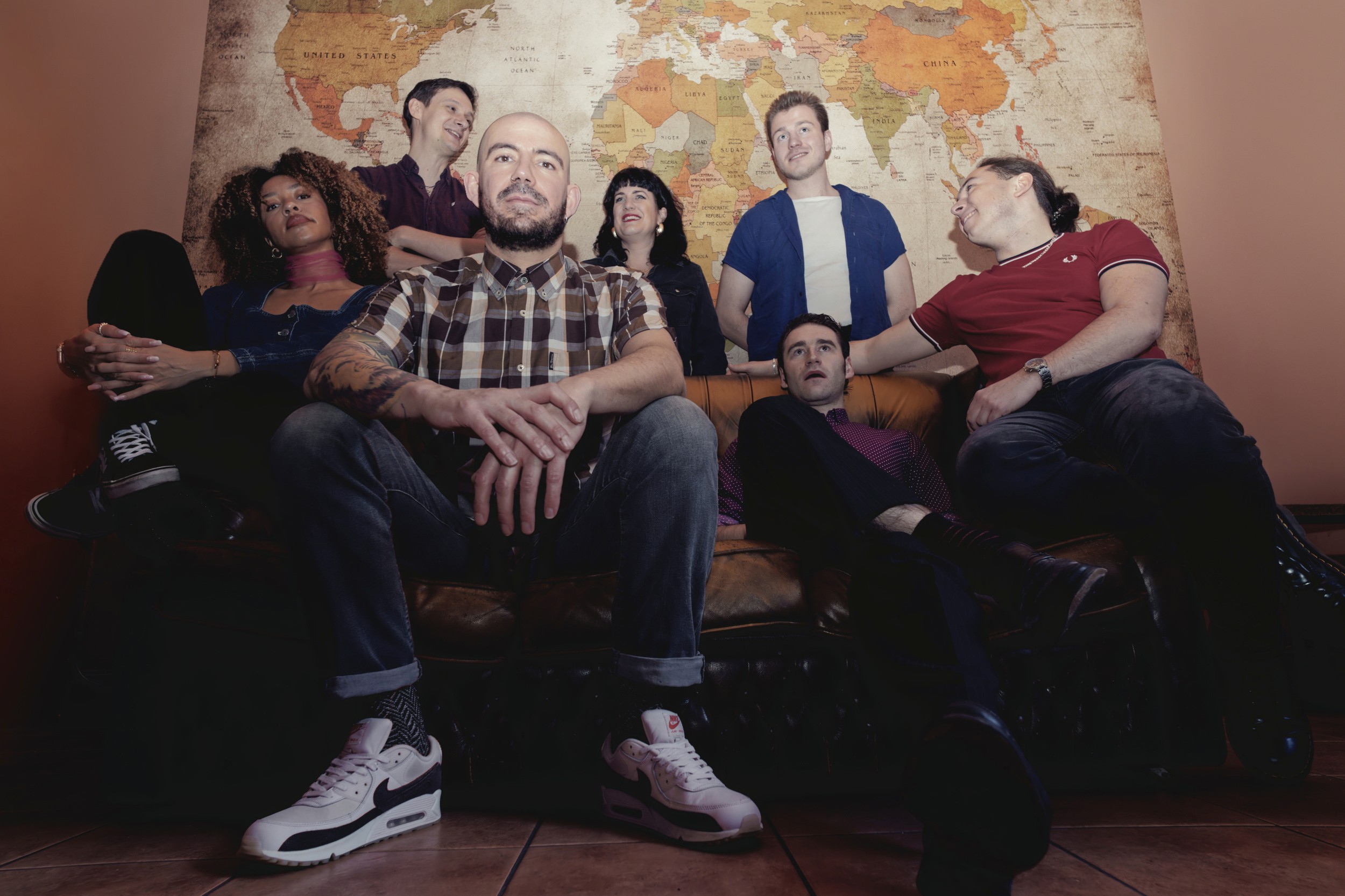
Working at home, it's pretty straightforward really. I do at much as I can myself and, when I reach the point where I need outside help... such as additional musicians or a mix engineer, I pick up the phone. When it comes to touring, we're usually a 5-piece or 6-piece band... and we share out all the instrumental and backing vocal parts between us, regardless of who played what in the studio.
The album moves across soul, rocksteady, latin-jazz, dub and ska. How do you hold all of those influences together without it feeling scattered?
Good question! To me, all of the styles that you listed... soul, rocksteady, latin-jazz, dub and ska... are part of the same family, with a lot of shared characteristics, and there has already been a lot of cross-pollination between these genres. However, even if that wasn't the case, I really admire artists like Radiohead, Tom Waits, Bjork, Dennis Bovell and Frank Zappa who've released very diverse, eclectic albums, drawing on a wide range of influences, held together delicately by the "glue" of great songwriting and production.
Your song 'Lament' carries a chorus that feels genuinely political but uplifting "in this world ruled by evil men, let's empower our communities." How important is it to you that the music speaks to what's happening in the world right now?
There is a long tradition of Art and Music holding up a mirror to society, protesting against injustice and even challenging the status quo. I have enormous respect for artists who've used their voices in this way, and occasionally I feel the need to put my two-penneth in. This album does contain some political lyrics, and an underlying theme of being kind and supportive to each other, but there are plenty of much more light-hearted and fun lyrics too, and some banging instrumentals.
Musicians are facing real structural pressures right now - streaming, funding cuts, the cost of touring. As someone who is building King Zepha independently, what does the landscape look like from where you're standing?
Agreed. These are incredibly difficult times for a lot of people, including musicians. On the one-hand I feel very lucky to earn a living from doing something that I love, and very proud and defensive of those who choose to work in the creative arts but, to be completely honest, there have been times when I've really struggled to support my young family, in the last couple of years especially, despite gigging, teaching and taking on various other types of work on the side. Many people don't realise that touring bands are often losing money, rather than earning money, nor how many music venues are on the brink of closure. I would encourage those who can afford to, to buy the concert tickets, music and merch of your favourite bands, and to take a chance on new artists that you may not necessarily have heard of. If you can't afford to buy things at the moment, you can still support artists by liking, sharing and commenting on their content, or by good old-fashioned word-of-mouth.
You're currently on tour supporting the album - what has life on the road looked like this summer, and how have audiences been responding to the new material?
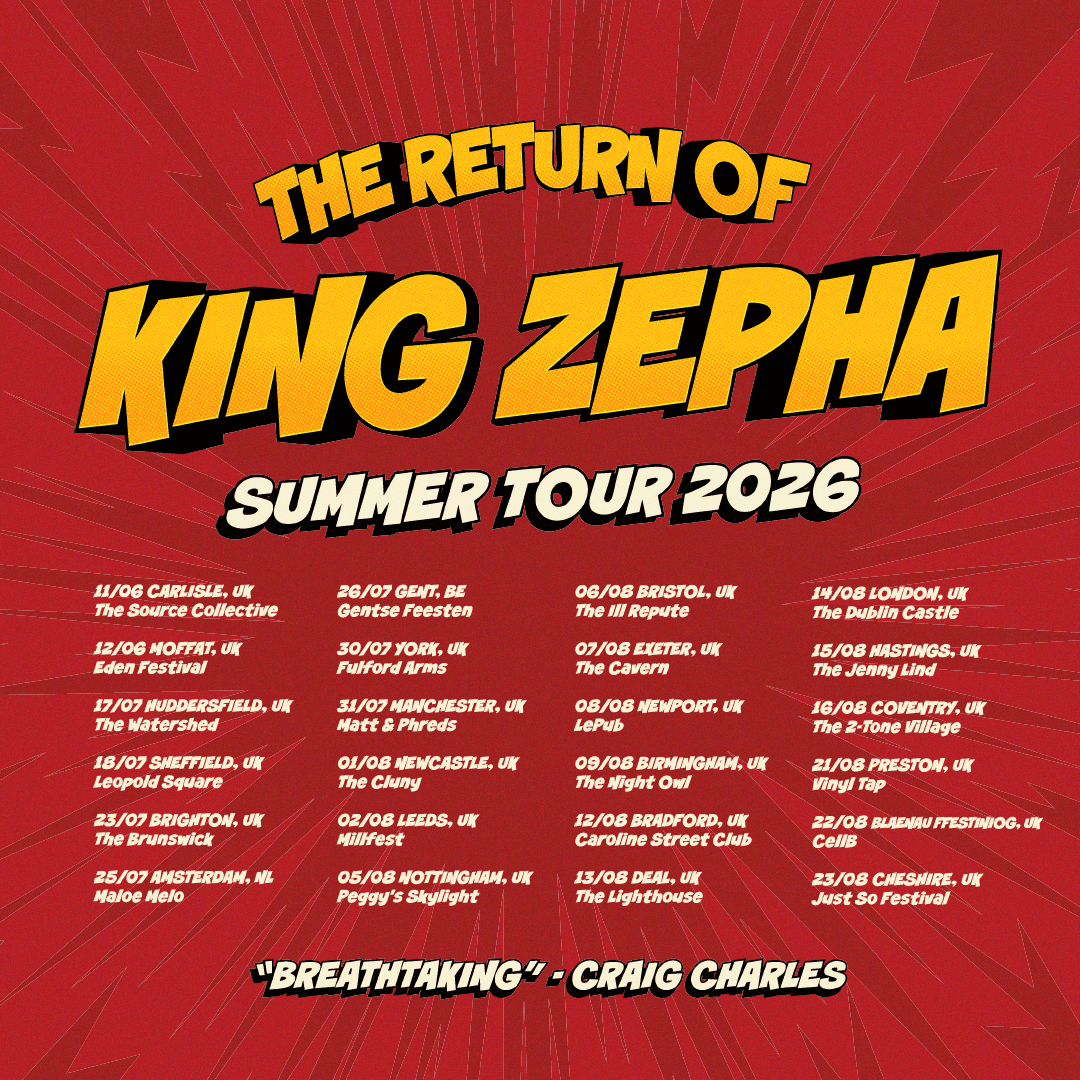
We're just 2 dates into a 25-date summer tour, so we're only just getting started! We had an amazing time at Eden Festival in Scotland, despite getting eaten-alive from head to foot by midges. The soundsystem game up north is strong! Our organ-led latin-ska number, 'Prez', has been the biggest hit on the dancefloors so far. We've got some great gigs coming up, all over the UK plus a few European dates. Full listings and tickets are available at beacons.ai/kingzepha
The band all sing as well as play - three-part harmonies alongside the instrumentation. How does that shape the way you write and compose, knowing you have that vocal depth available to you?
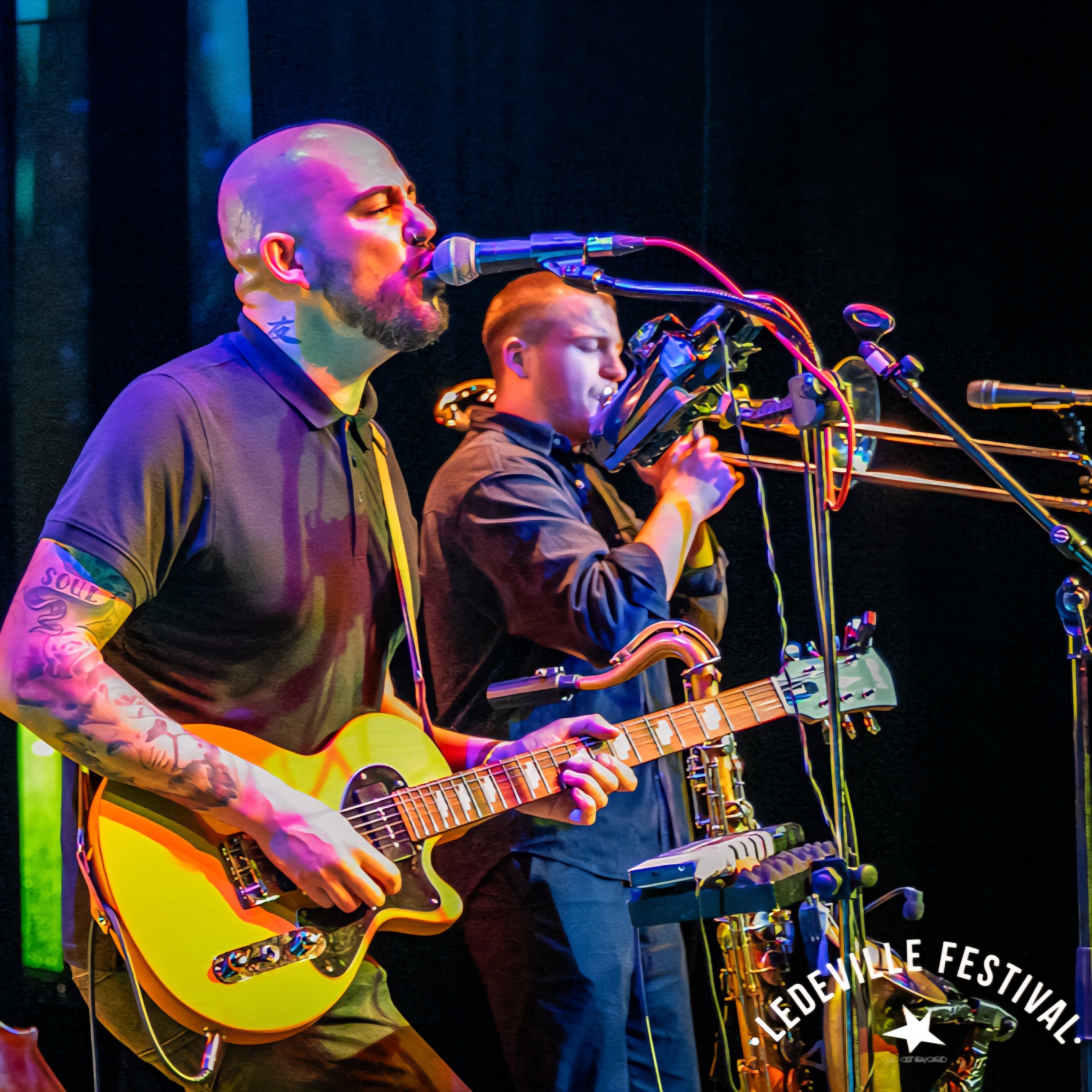
I'm so lucky to have band members who can sing well. It means that we can make a big sound, even when there are only 5 of us on stage. Sometimes the extra voices are used to pad out the sound, with "oohs" and "ahs", like a string section or extra brass, but sometimes they can really heighten and reinforce the meaning of the lyrics.
What does the next chapter look like for King Zepha?
For the next few months solid touring, most Wednesday to Sundays. Next summer we'll be hitting the festivals hard. Next winter I've got plans for an EP, but I'm keeping a lid on the details for now.
Finally, what have you been listening to lately - any artists or records you'd like to shout out that people might not have on their radar yet?
Our Property of the Lost label mates, Vipertime, just put out a very exciting EP on which they collaborated with post punks Moron Butler. King Prawn have a brilliant new limited edition transparent 10" out too. Hempolics are currently touring their banging new album and, a young ska band to watch out for, Rookie Numbers always put on a good live show.